













Lufthansa Cargo's journey to unified air cargo and airmail operations
Client overview
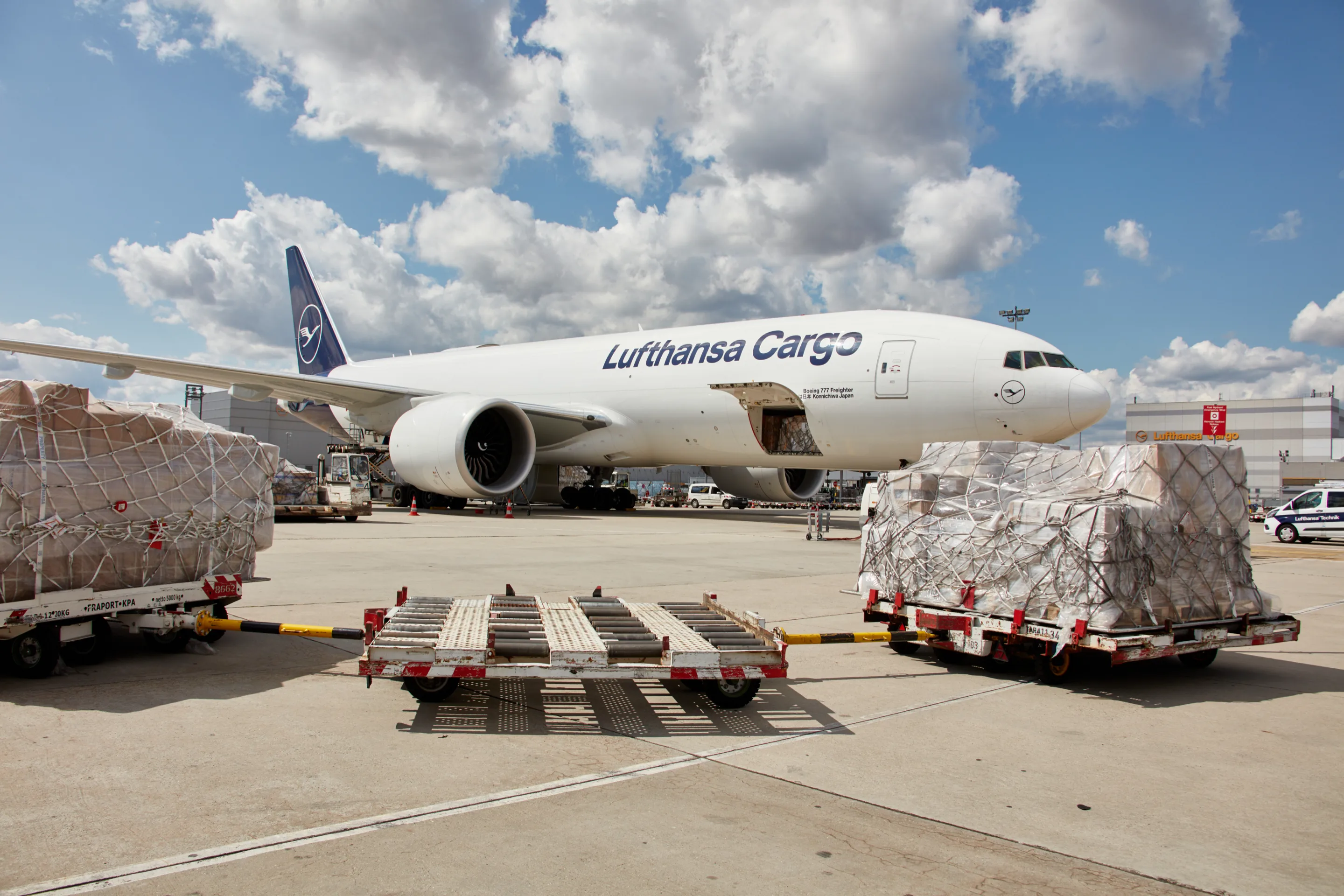
Lufthansa Cargo AG (LCAG) is a global leader in air freight, operating a fleet of Boeing 777F and Airbus A321F freighters alongside the belly capacity of Lufthansa's passenger aircraft. Known for its commitment to operational excellence and innovation, LCAG connects more than 330 destinations in 100 countries and serves as a critical link in the global logistics chain.
Context
Managing such a vast network came with significant challenges. LCAG previously relied on separate systems to manage air cargo and airmail operations, as well as distinct platforms for cargo on freighter and passenger flights. This fragmented approach created inefficiencies, data inaccuracies, and difficulties in meeting increasingly stringent regulatory requirements.
Challenges
Disparate systems
Separate platforms for cargo and mail led to duplicate work, errors, and information mismatches. Handling staff faced non-uniform user experiences and frequent interface issues, increasing training needs and manual intervention.
Regulatory compliance
New customs regulations, such as ICS2, required seamless reporting capabilities to avoid penalties and delays. Legacy systems lacked the capacity for direct customs integration and automated reporting.
Operational bottlenecks
Manual operations increased costs and slowed turnaround times for mail consignments. Limited analytics capabilities restricted performance insights and reduced business transparency.
Solution
LCAG selected iCargo Mail Handling as the foundation for its operational transformation. The module integrates seamlessly with iCargo, creating a unified platform for managing air cargo and airmail across the entire operational lifecycle. At LCAG, the iCargo Mail Handling solution automates workflows and provides real-time reporting to ensure efficiency, accuracy, and compliance.
Key features at LCAG include:
- A web and browser-based interface for a consistent and intuitive user experience.
- Faster operational processing with real-time scanning using Android scanner devices.
- Real-time mail bag tracking and updates for postal authorities and handlers.
- End-to-end connectivity with upstream and downstream systems for process alignment and compliance.
- Processing data from GHA IT systems such as MLD and MRD.
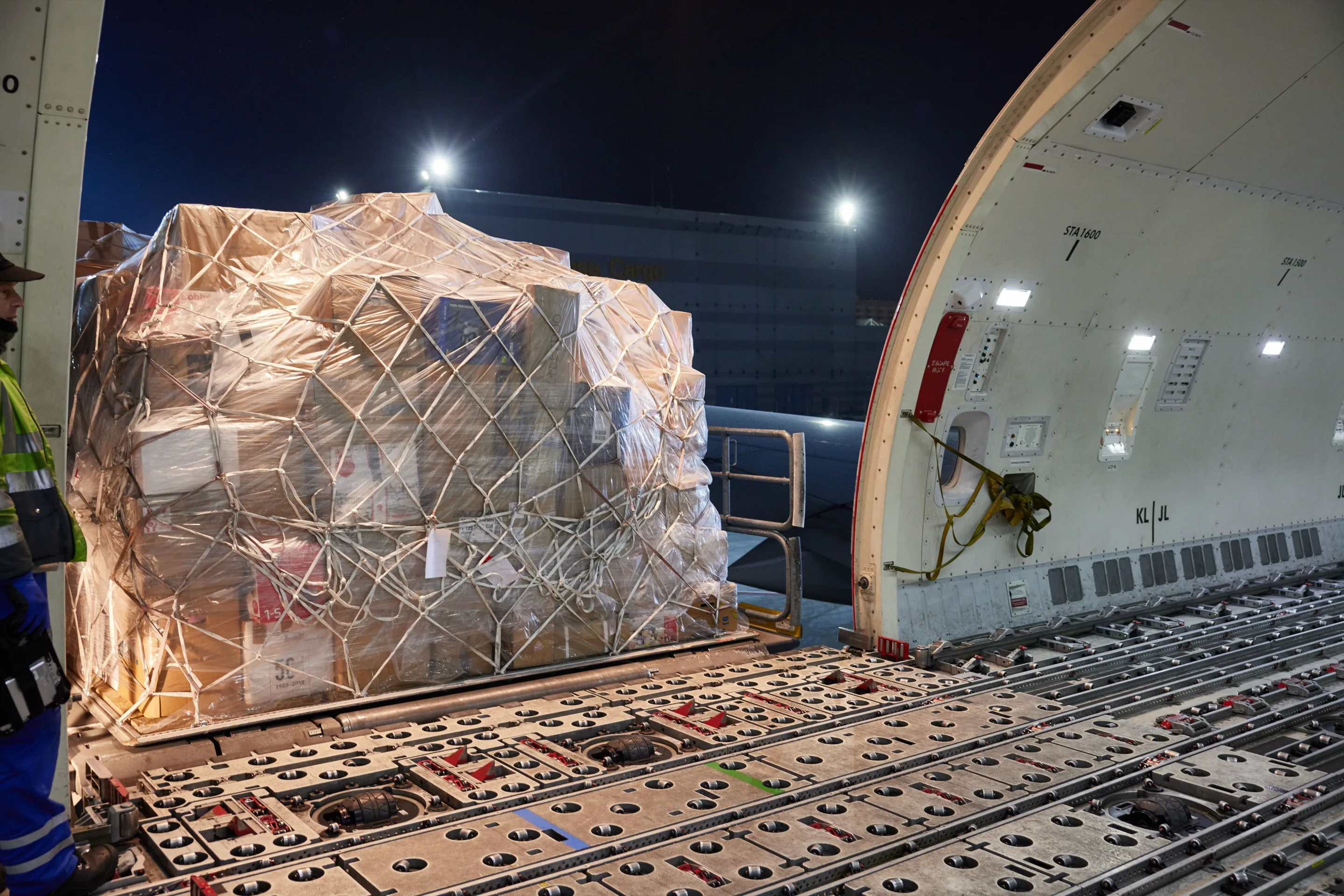
Deployment was carried out in phases, beginning with low-volume stations to minimize disruption and refine processes before expanding to high-volume locations. With iCargo already established as LCAG's core cargo management platform, familiarity with the system ensured a smooth transition with minimal training and rapid adoption across more than 90 stations.
Outcomes
The adoption of iCargo Mail Handling delivered significant business results for LCAG, transforming its operations and ensuring alignment with global standards.
By transitioning to iCargo Mail Handling, Lufthansa Cargo has set a new benchmark in operational excellence. The unified system has streamlined workflows, strengthened regulatory compliance, and improved transparency and efficiency across airmail operations. Building on the robust iCargo platform, LCAG continues to reinforce its position as a leader in the air freight industry.
Key results
Streamlined operations
Consolidating air cargo and airmail into a unified platform eliminated inefficiencies, reduced manual errors, and improved process consistency across operations.
Improved transparency and reliability
Real-time tracking increased visibility for internal stakeholders, enabling faster, better-informed decision-making and enhancing customer satisfaction.
Enhanced regulatory compliance
Automated reporting and direct customs integration ensured compliance with regulations such as ICS2, reducing the risk of penalties and delays.
Cost savings and productivity gains
Automation and the elimination of duplicate data entry reduced costs and accelerated mail handling turnaround times.
Data-driven insights
Advanced data integration improved the accuracy and availability of operational data, enabling more informed decision-making and greater business transparency.
Future-ready scalability
The adaptable solution design allows LCAG to scale operations efficiently and keep pace with evolving industry standards and regulatory requirements.
Financial integrity
Improved data accuracy and validation processes enabled precise invoices and seamless integration with downstream systems, strengthening financial reporting and performance.

